
Is It Safe to Swim in the Ocean While Pregnant? Your Complete Puerto Vallarta Beach Guide
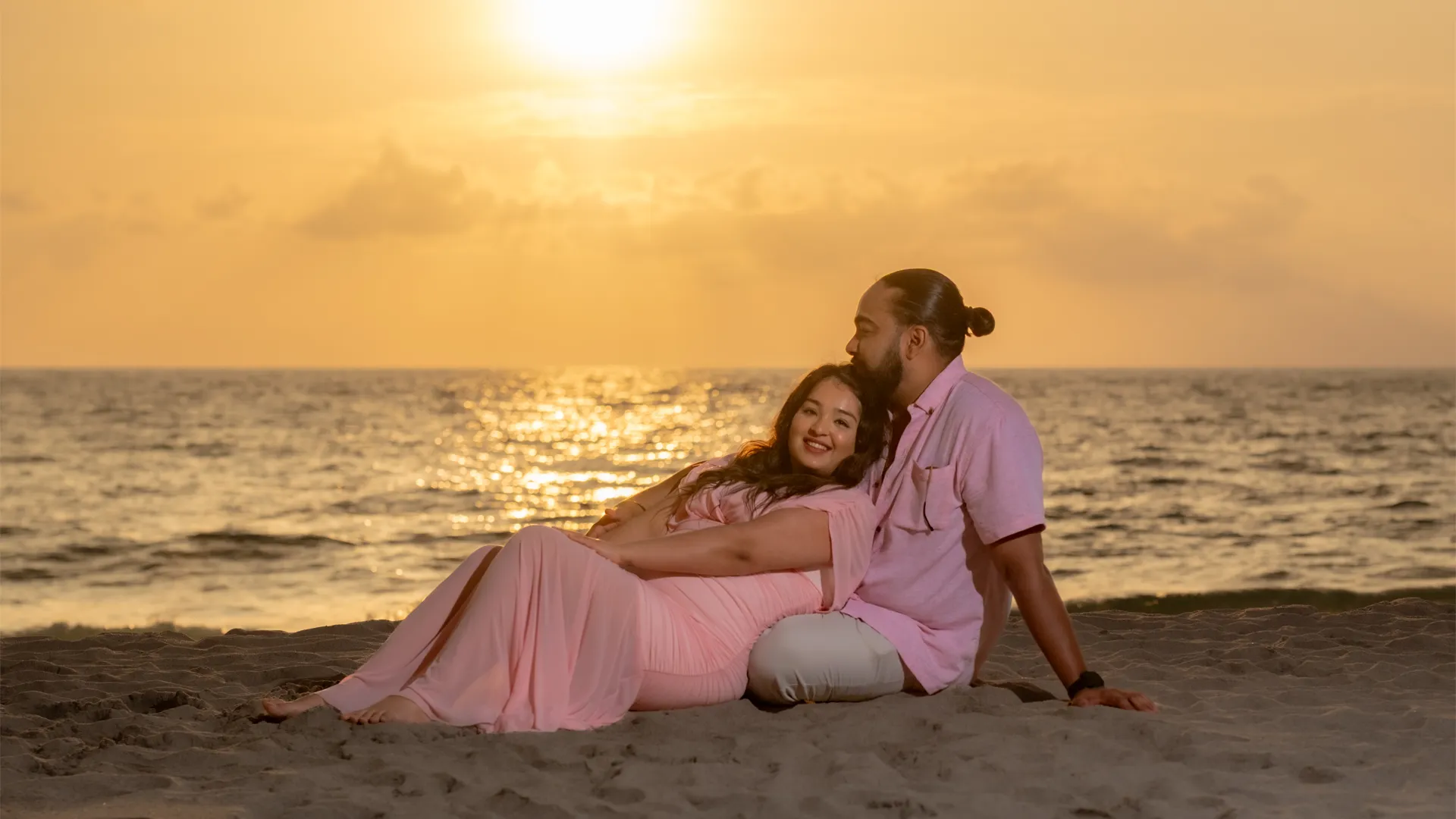
If you’re pregnant and dreaming of a beach getaway, you’ve probably typed some version of this question into Google at midnight:“Can I swim in the ocean while pregnant?”__
Here’s the short answer, the one every expecting mother is hoping for:yes — for most healthy pregnancies, swimming in the ocean is not only safe, it’s one of the best things you can do for your body. With a few sensible precautions (and your doctor’s green light), the sea might just become your favorite place during these nine months.
And if there’s one stretch of coastline practically designed for pregnant swimmers, it’s Banderas Bay. Let me explain why — and answer every question you didn’t know you had.
Why the Ocean Feels So Good When You’re Pregnant
There’s a reason so many expecting mothers describe their first dip in the sea as pure relief.
When you’re carrying extra weight in your belly, your back, hips, and ankles carry it too. In the water, all of that disappears. The natural buoyancy of the ocean lifts the weight of your bump, takes the pressure off your spine, and lets you move freely in a way that simply isn’t possible on land — especially in the third trimester, when the ocean may be one of the only places you feel weightless.
Beyond the physical relief, swimming is consistently recommended by doctors as one of the safest, most effective forms of exercise during pregnancy. It’s gentle on loosened joints, it improves circulation, it helps with swollen legs and feet, and it keeps your core temperature down on warm days. Add the sound of waves and that salt-air calm, and you have a natural stress reliever at a time when your body (and mind) will thank you for it.
The Safety Questions Every Expecting Mom Asks
“Will the waves hurt my baby?”
No — your baby is beautifully protected inside the amniotic sac, cushioned by fluid, your uterus, and your abdominal muscles. Gentle waves and normal swimming movements pose no risk to your little one.
The real consideration is you : pregnancy shifts your center of gravity, which affects your balance. A strong wave can knock you off your feet more easily than before. The solution isn’t to avoid the ocean — it’s to choose calm water. (More on why Puerto Vallarta wins here in a moment.)
“What about currents and rough water?”
This is the most legitimate concern with ocean swimming during pregnancy. Strong currents and heavy surf are best avoided — you may tire more quickly than usual, and your lung capacity is slightly reduced as your pregnancy progresses.
The good rules of thumb:
- Swim where there are lifeguards or with a companion, never alone
- Stay close to shore and in water where you can comfortably stand
- If the water looks rough that day, enjoy the shallows instead
- Pay attention to beach flags and local conditions
Conchas Chinas is my personal recommendation for expecting mothers. The rocky formations create natural calm pools, the entry is gradual, and it’s far quieter than the main beaches. It’s also where I photograph most maternity sessions — for exactly the same reasons that make it comfortable for swimming.
If you’re curious what those sessions look like, I put together a guide on maternity poses that actually work on the beach— including four common mistakes worth avoiding.
“Is the water temperature a problem?”
Extremes are what you want to avoid. Very hot water (think hot tubs and thermal springs) can raise your core body temperature, which isn’t recommended during pregnancy — particularly in the first trimester. Very cold water can shock your system.
The ideal? Pleasantly warm ocean water that cools you down without chilling you. Puerto Vallarta’s sea temperature ranges from comfortable to bath-like most of the year, sitting squarely in that sweet spot.
“Can I get an infection from ocean water?”
Your immune system works a little differently during pregnancy, so it’s smart to be selective about where you swim. Choose clean, well-maintained beaches (Puerto Vallarta’s main beaches are monitored regularly), skip swimming if you have any open cuts, and change out of your wet swimsuit promptly after your swim — lingering in damp swimwear can contribute to urinary tract infections, which are more common during pregnancy.
“What about the sun?”
You can absolutely enjoy the sun while pregnant — in fact, that vitamin D is good for both of you. But pregnancy hormones make your skin more prone to dark patches (melasma, sometimes called “the mask of pregnancy”), so sun care matters more than ever:
- Use SPF 30 or higher, reapplied after swimming
- Favor the gentler hours — early morning and late afternoon
- Bring a hat, stay under shade during peak hours, and hydrate constantly
Conveniently, those golden early-morning and late-afternoon hours are also when the light on Banderas Bay is at its most beautiful. Keep that in mind. 😉
The short version: for most healthy pregnancies, the ocean in Banderas Bay is not only safe — it’s one of the most comfortable places you can be at 30 weeks. The water is warm, the waves are gentle, and floating takes the weight off your back and hips in a way nothing on land can.
It’s also, not coincidentally, one of the most beautiful settings in Mexico for maternity photography. More on that later.
A Trimester-by-Trimester Guide to Ocean Swimming
First trimester (weeks 1–13): Swimming is generally safe and can actually help with fatigue and nausea — many women say cool water is one of the few things that settles their stomach. Avoid overheating, take it easy, and listen to your body.
Second trimester (weeks 14–27): The golden window. Energy is usually back, your bump is beautiful but not yet heavy, and your balance is still good. This is widely considered the best time both for beach travel and for ocean swimming. (Not coincidentally, it’s also the ideal window for a babymoon — and for maternity photos.)
Third trimester (weeks 28+): Still safe for most healthy pregnancies, and arguably when the water feels best — that weightless sensation is a gift to your back and hips. Just be extra mindful of your balance walking in and out of the surf, stay in calm, shallow water, and keep your swims shorter. Always confirm travel timing with your doctor, as most airlines restrict flying in the final weeks.
One rule that applies to every trimester: if you feel dizzy, short of breath, or experience any pain or contractions, get out of the water and rest. And before any beach trip, have a quick conversation with your healthcare provider — every pregnancy is unique.
Why Puerto Vallarta Is One of the Best Places to Swim While Pregnant
Not all ocean is created equal. The open Pacific can be powerful — but Puerto Vallarta doesn’t sit on the open Pacific. It sits inside Banderas Bay , one of the largest and most protected natural bays in Mexico.
What that means for you:
Gentle, swimmable water. The bay shelters Puerto Vallarta’s beaches from the heavy surf found on open coastline. Beaches in the bay tend to have calm to moderate waves — far friendlier conditions for an expecting swimmer than most Pacific destinations.
Warm water year-round. No cold shock, no shivering — just that perfect, soothing warmth.
Walkable, gradual entries. Many beaches in and around Vallarta (and along the southern coast toward Conchas Chinas and Mismaloya) offer gentle slopes into the water, so you can wade comfortably to a depth you control.
Everything close by. Restaurants, shade, restrooms, and your hotel are never far — which matters more than you’d think when you’re pregnant and the snack cravings (or bathroom needs) strike.
It’s no accident that more and more couples are choosing Puerto Vallarta for their babymoon. If you’re still deciding where to take that last trip for two, we wrote about exactly that here: Babymoon in Puerto Vallarta
One last thought. Most women who ask me about the ocean during pregnancy are here on vacation — often a babymoon, often the last trip before everything changes. If that’s you, the beach isn’t just something to enjoy safely. It’s a backdrop you’ll never have again in quite this way.
I’ve written more about planning that trip in Babymoon in Puerto Vallarta: A Photographer’s Guide, and about wardrobe in What to Wear for a Maternity Beach Photoshoot.
A Quick Beach-Day Checklist for Expecting Moms
- ✅ Doctor’s okay before traveling
- ✅ SPF 30+ (reef-friendly if possible) and a wide-brim hat
- ✅ More water than you think you need
- ✅ Healthy snacks — pregnancy hunger waits for no one
- ✅ A comfortable swimsuit that makes you feel amazing
- ✅ Sandals with grip for wet sand and stones
- ✅ A companion for your swims
- ✅ Early morning or late afternoon timing
One Last Thing: This Moment Deserves to Be Remembered
Here’s something I’ve witnessed hundreds of times through my lens: there is a particular kind of glow that happens when an expecting mother stands at the edge of the ocean — hair moving in the breeze, hands resting on her bump, golden light spilling across the water behind her.
You will never be in this exact moment again. The ocean will still be here next year, but this version of you — carrying your baby, radiant against the Pacific sunset — exists only now.
Planning a beach day — or a beach session?
If you’re planning to enjoy Puerto Vallarta’s beaches during your pregnancy, consider letting that beach day become something you can hold onto forever. A maternity session by the sea takes about an hour, works beautifully around those gentle morning or sunset hours we talked about, and gives you photographs your child will one day treasure as much as you do.
I’m a maternity and babymoon photographer based in Puerto Vallarta. If you’re visiting and want to capture this season before it passes, I’d love to hear from you.
📩 info@antoniovargasphotos.com · WhatsApp +52 442 592 7976
View maternity packages → __
The ocean is waiting for you, mama. And yes — it’s safe to dive in.